The debate between using freshly cooked rice versus overnight rice in Teochew claypot porridge has long been a topic of discussion among culinary enthusiasts and traditional chefs. This humble yet iconic dish, originating from the Chaoshan region of Guangdong, is beloved for its comforting texture and rich flavors. The choice of rice plays a pivotal role in determining not just the taste, but also the cultural authenticity of the final product.
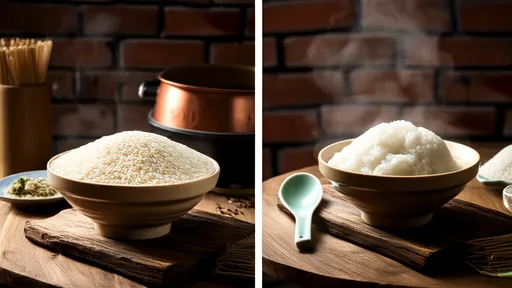
Freshly cooked rice, as the name suggests, involves starting the porridge-making process with raw grains. This method is often considered the more traditional approach, deeply rooted in Chaoshan culinary practices. The raw rice is typically washed and then simmered slowly in a flavorful broth, allowing the grains to break down gradually and release their starches. This creates a porridge with a distinct texture - the grains remain somewhat discernible while blending harmoniously with the liquid base. The gradual cooking process allows for better control over the consistency, enabling chefs to achieve that perfect balance between thickness and fluidity that characterizes authentic Teochew porridge.
Proponents of the fresh rice method argue that it yields a cleaner, more natural flavor profile. The starch released during cooking creates a silky texture that coats the palate differently than porridge made with precooked rice. There's also a practical consideration - using raw rice means the cook can adjust seasoning and ingredients throughout the entire cooking process, allowing flavors to develop more complexly. Many traditionalists maintain that this method produces porridge that's lighter on the stomach while being more nourishing, as none of the rice's inherent nutrients are lost to precooking and refrigeration.
On the other hand, overnight rice advocates present compelling arguments for their preferred method. Using precooked, refrigerated rice significantly reduces cooking time, making it a practical choice for busy home cooks and commercial kitchens alike. The cold rice grains, having undergone retrogradation (the process where starch molecules realign), behave differently when returned to heat. They absorb liquid more readily while maintaining more individual grain structure, resulting in a porridge with distinct textural characteristics that some find particularly appealing.
The overnight rice method creates a porridge where the grains remain more separate, with a slightly firmer bite compared to the fresh rice version. This texture can be particularly desirable when the porridge includes hearty ingredients like seafood or meat, as it provides a contrasting mouthfeel. Some chefs also claim that the slight fermentation that occurs during refrigeration adds subtle flavor complexities that enhance the overall taste profile. From a practical standpoint, this method allows restaurants to prepare large batches of rice in advance, ensuring quick service during peak hours without compromising quality.
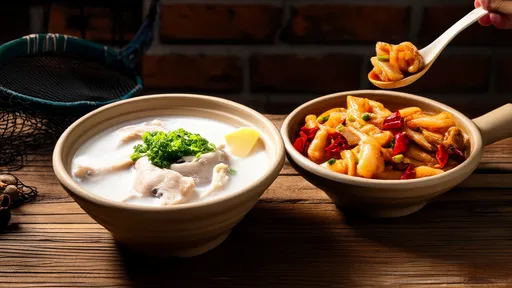
Texture differences between the two methods are perhaps the most noticeable distinction. Fresh rice porridge tends to have a creamier, more uniform consistency where the grains have largely broken down, creating a smooth backdrop for other ingredients. The overnight rice version often showcases more distinct grains suspended in the broth, offering a different eating experience where the rice maintains more of its individual character. These textural variations significantly influence how the porridge interacts with accompanying dishes in a traditional Teochew meal.
Nutritional considerations also come into play when comparing these preparation methods. Fresh rice porridge retains more of the grain's original nutrients, as it hasn't undergone the cooling and reheating process that can affect certain vitamins and minerals. However, some nutritionists point out that the retrograded starch in overnight rice may have benefits for blood sugar management, as it becomes more resistant to digestion. The glycemic index of the two preparations differs, which might be a consideration for health-conscious consumers.
Cultural authenticity forms another layer of this culinary debate. Many elder Teochew chefs insist that true traditional porridge must be made from raw rice, as this was the method passed down through generations. They argue that the overnight rice approach represents a modern adaptation born out of convenience rather than culinary tradition. Younger generations of cooks, however, point out that food traditions evolve, and the overnight rice method has become its own legitimate approach with distinct merits.
Practical considerations often dictate which method prevails in different settings. High-end Teochew restaurants specializing in traditional cuisine typically opt for the fresh rice method, valuing authenticity over convenience. Busy street food stalls and home cooks might prefer the overnight rice approach for its time-saving benefits. Interestingly, some innovative chefs have begun experimenting with hybrid approaches, using a combination of fresh and overnight rice to achieve specific textural effects.
The choice between fresh and overnight rice ultimately comes down to personal preference and situational needs. Both methods produce delicious versions of Teochew claypot porridge, each with its unique characteristics. The fresh rice method offers tradition and a particular textural purity, while the overnight rice approach provides convenience and a distinct mouthfeel. What remains constant is the dish's ability to comfort and satisfy, regardless of which rice preparation method is employed.
As Teochew cuisine continues to gain international recognition, this discussion about rice preparation methods takes on new dimensions. Food historians note that such debates are essential for preserving culinary heritage while allowing for necessary evolution. Whether one prefers the creamy consistency of fresh rice porridge or the more distinct grains of the overnight version, what matters most is the shared appreciation for this iconic dish that has nourished generations and crossed cultural boundaries.
By /Aug 11, 2025
By /Aug 11, 2025

By /Aug 11, 2025

By /Aug 11, 2025

By /Aug 11, 2025
By /Aug 11, 2025

By /Aug 11, 2025
By /Aug 11, 2025

By /Aug 11, 2025

By /Aug 11, 2025

By /Aug 11, 2025
By /Aug 11, 2025

By /Aug 11, 2025

By /Aug 11, 2025

By /Aug 11, 2025

By /Aug 11, 2025

By /Aug 11, 2025

By /Aug 11, 2025

By /Aug 11, 2025

By /Aug 11, 2025