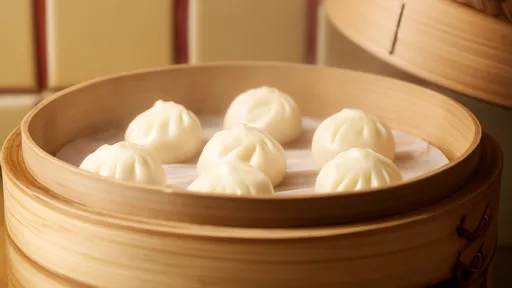
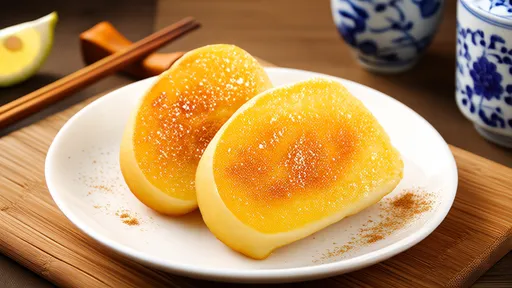
In every household, leftover steamed buns are a common sight. Often, they end up being reheated multiple times until they lose their original texture, or worse, thrown away. But what if there was a way to transform these humble leftovers into a crispy, golden delight? Enter the magic of pan-fried egg-coated bun slices—a simple yet ingenious way to breathe new life into stale buns.
The concept is straightforward: slice the leftover buns, dip them in beaten egg, and pan-fry them to perfection. The result? A dish that’s crispy on the outside, soft on the inside, and bursting with flavor. This method not only reduces food waste but also turns an ordinary ingredient into something extraordinary. It’s a testament to the creativity that home cooking can inspire.
The Origins of a Culinary Hack
While the exact origins of this dish are unclear, it’s likely rooted in the frugality and resourcefulness of home cooks. In many cultures, wasting food is frowned upon, and finding ways to repurpose leftovers is a time-honored tradition. The egg-coated bun slices are a perfect example of this ethos—transforming something plain into a dish that feels indulgent.
In China, for instance, steamed buns (or mantou) are a staple. When they go stale, they’re often repurposed into dishes like this one. The addition of egg not only enhances the flavor but also adds a layer of richness, making the buns more satisfying. It’s a technique that has been passed down through generations, proving that great food doesn’t always require fancy ingredients.
The Science Behind the Crisp
What makes this dish so appealing is the contrast in textures. The egg acts as a binder, creating a thin, crispy crust when fried, while the inside of the bun remains soft and pillowy. The key lies in the Maillard reaction—the chemical process that occurs when proteins and sugars are heated, resulting in that beautiful golden-brown color and deep, savory flavor.
To achieve the perfect crisp, the buns should be sliced evenly, about half an inch thick. This ensures they cook uniformly. The egg mixture can be kept simple—just beaten eggs with a pinch of salt—or enhanced with ingredients like scallions, sesame seeds, or a dash of soy sauce for extra umami. The choice is yours, and experimentation is encouraged.
A Versatile Dish for Any Meal
One of the greatest strengths of this dish is its versatility. It can be served as a quick breakfast, a satisfying snack, or even as part of a larger meal. Pair it with a drizzle of sweetened condensed milk for a touch of sweetness, or serve it alongside a spicy dipping sauce for a savory kick. It’s also a great way to use up leftover buns from a previous meal, making it a practical addition to any cook’s repertoire.
For those who enjoy a bit of crunch, the slices can be fried until deeply golden, almost like croutons. These can then be tossed into salads or soups for added texture. On the other hand, if you prefer a softer bite, a quick fry on medium heat will suffice. The beauty of this dish lies in its adaptability to personal preferences.
A Global Perspective on Leftovers
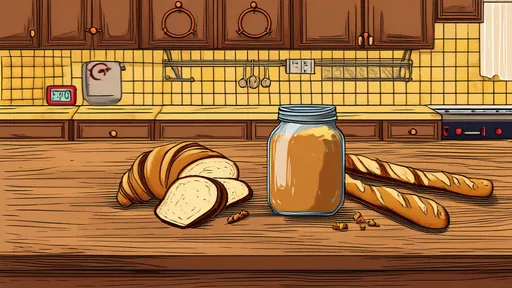
While this particular dish hails from Chinese cuisine, the idea of repurposing stale bread or buns is universal. In France, pain perdu (literally "lost bread") is a similar concept, where stale bread is soaked in egg and milk before being fried. In Spain, torrijas are a sweet version often enjoyed during Easter. These dishes all share a common thread: turning something ordinary into something special.
This global resonance highlights a shared culinary wisdom—waste not, want not. In a world where food waste is a growing concern, these small acts of creativity in the kitchen can make a big difference. They remind us that with a little effort, even the most mundane ingredients can be transformed into something delicious.
Tips for Perfect Golden Bun Slices
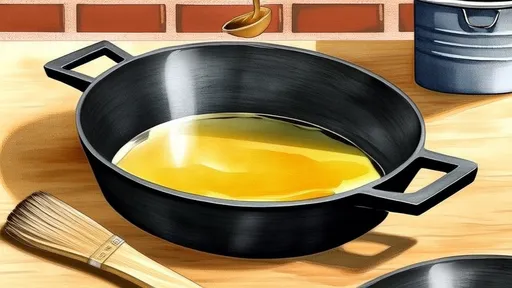
To master this dish, a few tips can go a long way. First, use day-old buns—they hold their shape better when sliced and absorb the egg mixture without becoming soggy. Second, heat your pan properly before adding the slices. A medium heat ensures the egg cooks through without burning the outside. Finally, don’t overcrowd the pan. Giving each slice enough space allows for even cooking and that coveted crispiness.
For an extra layer of flavor, consider adding grated cheese or herbs to the egg mixture. The possibilities are endless, and the dish is forgiving enough to accommodate mistakes. After all, cooking is as much about experimentation as it is about following recipes.
A Dish That Bridges Generations
What makes this dish truly special is its ability to connect people. For many, it evokes memories of childhood—of grandparents or parents whipping up a quick snack from leftovers. It’s a dish that requires no fancy equipment or hard-to-find ingredients, making it accessible to everyone. In a way, it’s a celebration of home cooking at its finest.
As we navigate modern life with its fast-paced demands, dishes like these remind us of the joy of simple, homemade food. They encourage us to slow down, appreciate what we have, and find creativity in the everyday. And who knows? The next time you have leftover buns, you might just see them in a whole new light.
Final Thoughts
Golden pan-fried egg-coated bun slices are more than just a way to use up leftovers—they’re a celebration of resourcefulness and flavor. Whether you’re a seasoned cook or a beginner, this dish is a testament to the idea that great food doesn’t have to be complicated. So the next time you find yourself with a few stale buns, don’t toss them. Instead, grab an egg, heat up a pan, and let the magic happen.
By /Aug 11, 2025
By /Aug 11, 2025
By /Aug 11, 2025
By /Aug 11, 2025
By /Aug 11, 2025
By /Aug 11, 2025
By /Aug 11, 2025
By /Aug 11, 2025
By /Aug 11, 2025
By /Aug 11, 2025
By /Aug 11, 2025
By /Aug 11, 2025
By /Aug 11, 2025
By /Aug 11, 2025

By /Aug 11, 2025
By /Aug 11, 2025

By /Aug 11, 2025
By /Aug 11, 2025
By /Aug 11, 2025

By /Aug 11, 2025