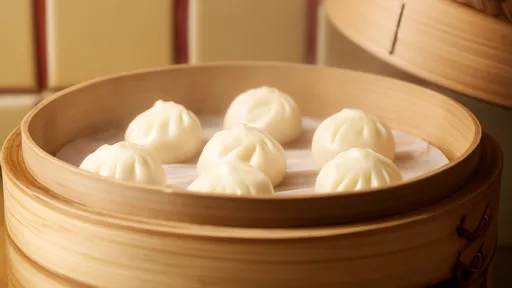
Steaming food is an art that requires precision, and one of the most common challenges home cooks face is preventing excess water from dripping onto their dishes. The simple act of wringing out a steamer cloth until it’s semi-dry before laying it down can make a world of difference. This technique, often overlooked, ensures that your steamed buns, dumplings, or vegetables come out perfectly textured—neither soggy nor dry. The balance lies in the moisture level of the cloth, and mastering this can elevate your steaming game significantly.
The steamer cloth, or "steaming liner," acts as a barrier between the food and the boiling water below. When it’s too wet, the excess water seeps through, creating a pool of condensation that can ruin the texture of delicate items like fluffy bao or tender fish. On the other hand, a completely dry cloth may stick to the food or fail to provide enough moisture for even cooking. The sweet spot is a cloth that’s been wrung out to a semi-dry state—damp enough to release steam but not so wet that it drips.
Many traditional cooks swear by this method, passed down through generations. In Chinese cuisine, for instance, bamboo steamers are often lined with cotton or muslin cloths that are lightly moistened. The same principle applies to modern silicone or metal steamers, where a damp (but not dripping) cloth can prevent sticking without waterlogging the food. It’s a small detail with a big impact, especially for dishes where texture is paramount.
Beyond texture, there’s a practical benefit to using a semi-dry cloth: it reduces the risk of burning. When water accumulates excessively in the steamer, it can evaporate too quickly, leaving the pot dry and potentially scorching the food or the steamer itself. A properly wrung-out cloth maintains a steady, gentle steam flow, ensuring even cooking without the need for constant monitoring. This is particularly useful for busy cooks juggling multiple dishes at once.
Choosing the right material for your steamer cloth also plays a role. Natural fibers like cotton or linen are highly absorbent and can be easily wrung out to the desired dampness. Synthetic materials, while durable, may not wick moisture as effectively. Some cooks even opt for cabbage leaves or parchment paper for specific dishes, but the principle remains the same—control the moisture to prevent sogginess.
For those new to steaming, experimenting with the wringing technique is key. Start by soaking the cloth in water, then twist it firmly until no more than a few drops escape. Lay it flat in the steamer, ensuring it covers the surface evenly without sagging into the water below. With practice, you’ll develop a feel for the right level of dampness, tailored to the dish you’re preparing.
This method isn’t just limited to Asian cuisine. From Mediterranean fish steamed with herbs to Latin American tamales, the same rule applies. Even Western-style steamed puddings benefit from a well-wrung cloth to achieve that perfect, moist crumb. It’s a universal trick that transcends culinary borders, proving that sometimes, the simplest techniques are the most effective.
Next time you reach for your steamer, take a moment to consider the humble cloth. That extra step of wringing it out could be the difference between a mediocre result and a masterpiece. After all, great cooking often lies in the details—and in this case, the detail is just a twist away.
By /Aug 11, 2025
By /Aug 11, 2025
By /Aug 11, 2025
By /Aug 11, 2025
By /Aug 11, 2025
By /Aug 11, 2025
By /Aug 11, 2025
By /Aug 11, 2025
By /Aug 11, 2025
By /Aug 11, 2025
By /Aug 11, 2025
By /Aug 11, 2025
By /Aug 11, 2025
By /Aug 11, 2025

By /Aug 11, 2025
By /Aug 11, 2025

By /Aug 11, 2025
By /Aug 11, 2025
By /Aug 11, 2025

By /Aug 11, 2025