In the realm of home cooking, few techniques have gained as much recent popularity as the electric rice cooker braise. This humble kitchen appliance, often relegated to steaming rice or making congee, has emerged as an unlikely hero for creating fork-tender braised meats with minimal effort. But what happens when you replace the traditional water or stock with beer? The results can be nothing short of transformative.
The concept of using beer in braising isn't entirely new – European cooks have been doing it for generations with dishes like carbonnade flamande. However, applying this technique to Asian-style braises in an electric rice cooker creates something entirely different. The closed, pressurized environment of a rice cooker allows the beer to work its magic more efficiently than conventional stovetop or oven methods.
Why beer makes such a difference comes down to science. The carbonation in beer helps break down tough connective tissues in meat more effectively than water. Meanwhile, the malt sugars promote caramelization without adding overt sweetness. Hops contribute subtle bitterness that balances rich flavors, while the yeast-derived compounds create complex umami notes that water simply can't provide.
When selecting a beer for your rice cooker braise, opt for something flavorful but not overpowering. Amber ales, brown ales, or even mild stouts work beautifully. Avoid anything too hoppy (like IPAs) as the extended cooking can make the bitterness unpleasant. Surprisingly, even non-alcoholic beers work well, as it's the other compounds in beer rather than the alcohol that does the tenderizing.
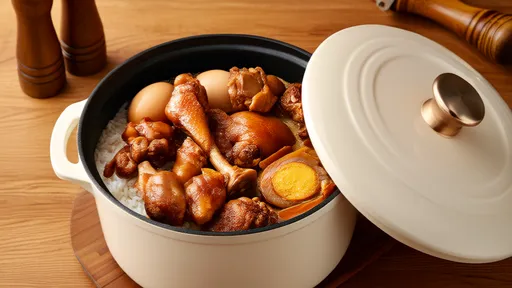
The preparation process begins much like any rice cooker braise. Sear your protein (chicken wings, pork belly, or beef shank all work wonderfully) directly in the rice cooker if it has a sauté function, or in a separate pan. Add aromatics like ginger, garlic, and scallions, then pour in enough beer to nearly cover the ingredients. The beauty of this method is that the rice cooker's automatic temperature control prevents scorching while maintaining the perfect gentle simmer.
What emerges after the cooking cycle finishes is meat so tender it threatens to fall apart at the slightest touch. The collagen has completely transformed into gelatin, creating that luxurious mouthfeel prized in traditional braises. The beer's flavors meld with the meat's natural juices and any added sauces (soy sauce, oyster sauce, or doubanjiang all pair wonderfully) to create a complex, deeply savory broth that clings to each bite.
This technique works particularly well with tougher, more economical cuts of meat. Beef tendon, pork hocks, or chicken thighs all benefit enormously from the beer treatment. Even firm tofu absorbs the flavors beautifully for a vegetarian option. The rice cooker's sealed environment means very little liquid evaporates, so you're left with plenty of rich sauce to spoon over rice or noodles.
For those concerned about alcohol content, rest assured that nearly all the alcohol cooks off during the extended braising time. What remains are the flavor compounds that give beer its distinctive taste. The rice cooker's steady, relatively low heat (typically around 200°F/93°C) is perfect for gently extracting these flavors without burning or reducing the sauce too much.
The versatility of this method allows for endless variations. Add star anise and cinnamon for a Chinese-inspired flavor profile, or go with thyme and bay leaves for something more European. The beer provides a unifying backbone that supports both directions equally well. Some adventurous cooks even mix different beer styles – pairing a malty dunkel with a touch of wheat beer can create fascinating depth.
Cleanup proves remarkably easy compared to traditional braising methods. Since everything cooks in one contained vessel (the rice cooker pot), there are no splatters or baked-on messes to scrub. The nonstick surface of most rice cooker pots makes deglazing a breeze, and any leftover sauce can be stored right in the pot if you'll be eating the dish again soon.
Perhaps the greatest advantage of this technique is how hands-off it is. Unlike stovetop braising that requires occasional checking and stirring, the rice cooker does all the work. You can set it in the morning before work and return home to a perfectly cooked meal. The keep-warm function ensures food stays at a safe temperature without overcooking.
As home cooks continue discovering the potential of their electric rice cookers beyond simple grain preparation, beer-braising stands out as one of the most rewarding techniques to master. It delivers restaurant-quality results with minimal effort and maximum flavor. The next time you're contemplating a braised dish, consider reaching for a can of beer instead of water – your taste buds will thank you.
By /Aug 11, 2025
By /Aug 11, 2025

By /Aug 11, 2025
By /Aug 11, 2025

By /Aug 11, 2025
By /Aug 11, 2025

By /Aug 11, 2025
By /Aug 11, 2025
By /Aug 11, 2025
By /Aug 11, 2025

By /Aug 11, 2025
By /Aug 11, 2025
By /Aug 11, 2025
By /Aug 11, 2025

By /Aug 11, 2025
By /Aug 11, 2025

By /Aug 11, 2025
By /Aug 11, 2025
By /Aug 11, 2025

By /Aug 11, 2025