In the world of kitchenware, few things are as frustrating as a once-beloved nonstick pan that has lost its luster. Over time, burnt-on food, stubborn stains, and a general wear and tear can make even the best nonstick surfaces seem beyond repair. But before you toss that pan into the trash, there’s a surprisingly simple and natural solution that might just bring it back to life: a combination of baking soda and white vinegar.
The idea of using household staples like baking soda and vinegar to clean isn’t new, but applying them to revive a damaged nonstick pan is a trick that many home cooks overlook. These two ingredients, when used together, create a powerful yet gentle cleaning reaction that can break down even the toughest burnt residues without damaging the pan’s delicate surface. The best part? It’s chemical-free, inexpensive, and safe for everyday use.
To understand why this method works, it’s helpful to know a bit about the science behind it. Baking soda, or sodium bicarbonate, is a mild abrasive that helps lift grime without scratching. It’s also alkaline, which makes it effective at breaking down acidic residues like burnt food. White vinegar, on the other hand, is acidic and acts as a natural degreaser. When combined, they create a fizzy reaction that helps loosen stubborn deposits, making them easier to scrub away.
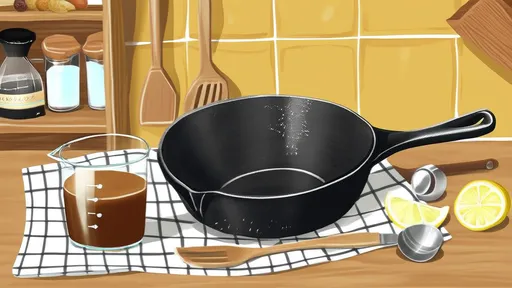
The process itself is straightforward. Start by filling the damaged pan with enough water to cover the burnt areas, then add a generous amount of baking soda—about half a cup for a standard-sized pan. Bring the mixture to a gentle boil and let it simmer for 10 to 15 minutes. The heat helps the baking soda penetrate the burnt layers, softening them for easier removal. After simmering, carefully drain the water and sprinkle a little more baking soda over the affected areas.
Next, pour white vinegar over the baking soda. The immediate fizzing reaction is a sign that the mixture is working to break down the grime. Let it sit for a few minutes, then use a soft sponge or cloth to gently scrub the pan. Avoid using abrasive tools like steel wool, as these can permanently damage the nonstick coating. With a little patience, you’ll notice the burnt layers lifting away, revealing a much cleaner surface underneath.
For particularly stubborn stains, you may need to repeat the process or let the pan soak in the baking soda and vinegar solution for a longer period. Some cooks also recommend adding a few drops of dish soap to the mix for extra cleaning power. Once the pan is clean, rinse it thoroughly with warm water and dry it completely before storing or using it again.
This method isn’t just effective—it’s also a great way to extend the life of your cookware. Nonstick pans, while convenient, are often prone to wear and tear, and replacing them frequently can be costly and environmentally unfriendly. By reviving an old pan instead of discarding it, you’re not only saving money but also reducing waste. Plus, avoiding harsh chemical cleaners means your cookware stays safer for everyday cooking.
Of course, prevention is always better than cure. To keep your nonstick pans in good condition for longer, avoid using metal utensils, which can scratch the surface, and opt for wooden or silicone tools instead. Cooking on low to medium heat can also prevent overheating, which is a common cause of nonstick coating degradation. And always let the pan cool before washing it to avoid warping.
While the baking soda and vinegar method is a fantastic solution for minor to moderate damage, it’s worth noting that severely damaged pans—those with peeling coatings or deep scratches—may be beyond repair. In such cases, it’s safer to replace the pan, as flaking nonstick coatings can pose health risks if ingested. But for pans that just need a little TLC, this natural cleaning hack can work wonders.
Word of this simple yet effective trick has spread through cooking forums and social media, with many home chefs sharing their success stories. Some have even used it to salvage pans they thought were destined for the garbage. The beauty of this method lies in its simplicity and accessibility—almost everyone has baking soda and vinegar in their pantry, making it an easy fix to try at any time.
So, the next time you’re staring at a seemingly ruined nonstick pan, don’t give up hope just yet. With a little baking soda, some white vinegar, and a bit of elbow grease, you might just bring it back to its former glory. Not only will you save money, but you’ll also gain the satisfaction of knowing you’ve given your cookware a second chance.

By /Aug 11, 2025

By /Aug 11, 2025
By /Aug 11, 2025
By /Aug 11, 2025
By /Aug 11, 2025
By /Aug 11, 2025
By /Aug 11, 2025

By /Aug 11, 2025

By /Aug 11, 2025

By /Aug 11, 2025

By /Aug 11, 2025

By /Aug 11, 2025
By /Aug 11, 2025
By /Aug 11, 2025

By /Aug 11, 2025

By /Aug 11, 2025

By /Aug 11, 2025
By /Aug 11, 2025
By /Aug 11, 2025

By /Aug 11, 2025