In kitchens around the world, the pursuit of flavor often begins with a good stock. Yet, the time-consuming process of making homemade broth from scratch deters many home cooks. Enter the ingenious concept of transforming kitchen scraps—particularly vegetable trimmings—into a versatile frozen stock base. This method not only reduces food waste but also provides an instant flavor booster for countless dishes.
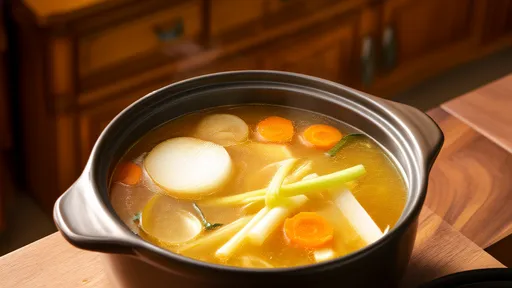
The idea is simple yet revolutionary. Instead of discarding onion skins, carrot tops, celery leaves, and other vegetable odds and ends, these scraps are collected and stored in the freezer. When enough accumulate, they’re simmered into a rich, aromatic broth. The resulting liquid is then reduced, poured into ice cube trays, and frozen, creating convenient "flavor bombs" ready to enhance soups, stews, sauces, and more.
Why does this approach work so well? Vegetable scraps contain concentrated flavors that often surpass their more pristine counterparts. Onion skins, for example, impart a deep golden hue and earthy sweetness, while mushroom stems contribute umami depth. Herb stems—frequently tossed without a second thought—release essential oils when heated, infusing the broth with fragrance. By combining these elements, the resulting stock achieves a complexity that’s difficult to replicate with store-bought cubes.
The beauty of this method lies in its flexibility. There’s no rigid recipe, only guidelines. Root vegetables like carrots, parsnips, and leeks form an excellent base, while alliums (onions, garlic, shallots) add pungency. Cruciferous scraps, such as broccoli stalks or kale ribs, should be used sparingly to avoid bitterness. Tomato bits introduce acidity, and corn cobs lend a subtle sweetness. The key is balance—a harmonious blend that avoids overwhelming the palate.
Preparation requires minimal effort but rewards patience. After collecting roughly four cups of scraps, they’re rinsed to remove dirt, then combined with cold water in a large pot. A slow simmer—never a rolling boil—extracts flavors gently over two to three hours. Straining is crucial; cheesecloth ensures a clear, grit-free broth. Reduction intensifies the taste, and a splash of apple cider vinegar helps pull minerals from bones if added. Once cooled, the liquid is portioned and frozen, its essence preserved for future use.
Environmental benefits make this practice particularly compelling. The average household discards nearly 30% of its vegetable purchases. Repurposing these remnants slashes landfill contributions while creating something valuable. It’s a small but meaningful step toward sustainable cooking, aligning with zero-waste philosophies gaining traction globally. Moreover, it’s economical—transforming what would be trash into a premium ingredient saves money over time.
Culinary applications abound. These frozen cubes dissolve seamlessly into risottos, adding depth without dilution. They’re ideal for deglazing pans after searing meats, lifting fond with layered flavors. Vegetarian dishes benefit immensely; a single cube can elevate simple grains like quinoa or farro. Even when making pasta, replacing some boiling water with a stock cube infuses the noodles with savoriness. The possibilities are limited only by imagination.
Some enthusiasts take the concept further by creating themed scrap blends. An "Italian" batch might emphasize basil stems, tomato ends, and garlic peels, while an "Asian-inspired" version could spotlight ginger scraps, shiitake stems, and scallion tops. Others experiment with adding roasted scraps for caramelized notes or seaweed for brininess. This customization allows cooks to tailor their freezer stash to personal tastes and frequently prepared cuisines.
Storage is straightforward but demands attention. Silicone ice trays prevent sticking, and once frozen solid, the cubes can be transferred to airtight containers or bags. Labeling with dates and general flavor profiles prevents freezer burn and confusion. Most batches retain peak quality for three to six months, though they remain safe indefinitely if kept at consistent temperatures. For those who prefer larger portions, muffin tins work well for creating half-cup servings.
This technique also adapts beautifully to meat-based stocks. Chicken carcasses, beef bones, and shrimp shells can be frozen alongside veggie scraps, then combined during simmering. The collagen from bones lends body, creating a gelatin-rich broth that sets when chilled. However, vegetarians needn’t miss out—adding a handful of dried porcini mushrooms or a strip of kombu seaweed mimics the umami typically provided by animal products.
Beyond practical advantages, the scrap-stock movement fosters mindfulness in cooking. It encourages cooks to view every peel and stem as a potential flavor carrier rather than waste. This shift in perspective can lead to more creative, resourceful meal preparation overall. As more home chefs discover this method, it’s reshaping how kitchens operate—one frozen cube at a time.
While commercial bouillon cubes offer convenience, they often contain additives and excessive sodium. Homemade versions allow complete control over ingredients and salt levels, catering to health-conscious individuals or those with dietary restrictions. The flavor difference is noticeable—fresh, nuanced, and free from the chemical aftertaste sometimes found in mass-produced alternatives. For families reducing processed foods, this is a significant benefit.
Seasonality influences scrap stocks wonderfully. Summer might yield corn cobs and zucchini ends, while winter contributes potato peels and squash remnants. This natural rotation ensures the frozen cubes reflect the year’s rhythm, connecting dishes to the time they’re prepared. Some cooks maintain separate bags for different seasons, then combine them in transitional periods for broths that bridge climatic gaps beautifully.
Adopting this practice requires just two habit changes: setting aside a dedicated freezer container for scraps and remembering to use them before freezer burn sets in. Over time, it becomes second nature—like composting, but with immediate culinary payoff. As word spreads, this technique is poised to become a standard practice in thrifty, flavor-driven kitchens worldwide, proving that great taste often starts with what we don’t throw away.
By /Aug 11, 2025
By /Aug 11, 2025
By /Aug 11, 2025
By /Aug 11, 2025
By /Aug 11, 2025
By /Aug 11, 2025

By /Aug 11, 2025
By /Aug 11, 2025
By /Aug 11, 2025

By /Aug 11, 2025

By /Aug 11, 2025
By /Aug 11, 2025
By /Aug 11, 2025
By /Aug 11, 2025

By /Aug 11, 2025
By /Aug 11, 2025

By /Aug 11, 2025
By /Aug 11, 2025
By /Aug 11, 2025

By /Aug 11, 2025