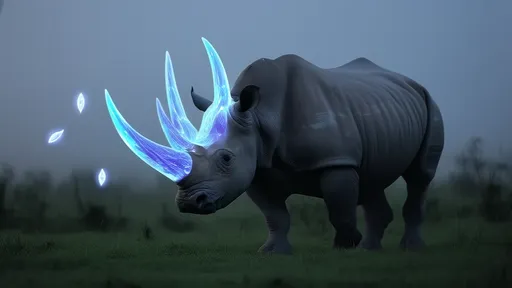
The illegal wildlife trade continues to threaten endangered species across the globe, with rhinos being among the most heavily targeted. Poachers relentlessly hunt these majestic creatures for their horns, which fetch exorbitant prices on the black market. Traditional anti-poaching measures, while valiant, often fall short. However, an innovative approach involving the injection of non-lethal toxins into rhino horns has emerged as a potential game-changer. This method aims to deter poaching by rendering the horns undesirable for consumption while posing no harm to the animals themselves.
The concept is deceptively simple yet scientifically sound. By introducing a carefully measured dose of a benign toxin—alongside a visible dye—into the horn, conservationists can make the product toxic and easily identifiable. The dye serves as an immediate warning, while the toxin ensures that anyone attempting to consume powdered rhino horn (often used in traditional medicine) would experience severe nausea or illness. The treatment is harmless to the rhino, as the horn is made of keratin, much like human hair, and lacks nerve endings or blood vessels.
Why does this method hold promise? Unlike dehorning, which requires frequent and stressful recaptures, a single treatment can last for years. The psychological impact on poachers and buyers is significant—knowing that a horn could sicken consumers reduces its market value. Early trials in South Africa have shown a measurable decline in poaching incidents in treated reserves, suggesting that the strategy disrupts the economic incentive driving the illegal trade.
Critics argue that determined criminals may still find ways to bypass the deterrent, either by cutting around treated sections or selling contaminated horns to unsuspecting buyers. Yet, proponents counter that the mere presence of this defense raises uncertainty in the market. If buyers can no longer trust that a rhino horn is safe to consume, demand could plummet. The method also buys time for anti-trafficking units to intercept smuggled goods, as dyed horns are far easier to detect at airports and checkpoints.
The ethical implications have been thoroughly debated. Some conservationists initially worried that introducing toxins—even non-lethal ones—into an animal’s body crosses a moral line. However, extensive research confirms that the procedure is painless and leaves no lasting impact on the rhino’s health or behavior. In fact, many argue that the alternative—allowing poachers to slaughter rhinos at current rates—is far more cruel. With fewer than 30,000 rhinos left in the wild, desperate times call for innovative measures.
Beyond its immediate effects, the toxin-dye strategy could reshape the entire illegal wildlife trade. If successful, the technique might be adapted for other species, such as elephants targeted for ivory. The key lies in scalability and international cooperation. Governments, conservation groups, and local communities must work together to implement and enforce these measures. Public awareness campaigns are equally crucial—educating consumers about the dangers of treated horns could further erode demand.
While no single solution can eradicate poaching overnight, the combination of biological deterrents and traditional enforcement offers a glimmer of hope. For rhinos on the brink of extinction, this innovative approach may be the lifeline they desperately need. The battle is far from over, but with science and perseverance, there’s a chance to turn the tide against the criminals driving these magnificent creatures toward oblivion.

By /Aug 12, 2025

By /Aug 12, 2025

By /Aug 12, 2025

By /Aug 12, 2025

By /Aug 12, 2025

By /Aug 12, 2025
By /Aug 12, 2025

By /Aug 12, 2025

By /Aug 12, 2025

By /Aug 12, 2025

By /Aug 12, 2025

By /Aug 12, 2025
By /Aug 12, 2025

By /Aug 12, 2025

By /Aug 12, 2025

By /Aug 12, 2025

By /Aug 12, 2025

By /Aug 12, 2025
By /Aug 12, 2025
By /Aug 12, 2025