Wang Xiaobo's Cat": Existentialism of Free Will

Aug 12, 2025 By

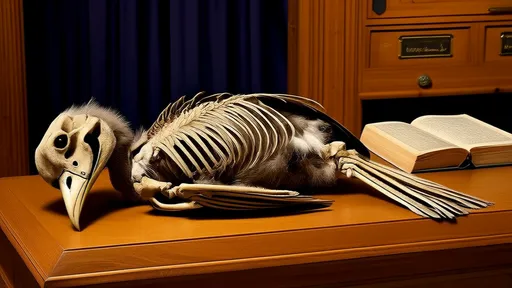
Wang Xiaobo's short story "The Cat" is a deceptively simple narrative that lingers in the mind like an unresolved chord. At its surface, it recounts the disturbing act of a man mutilating cats in Mao-era China, but beneath this unsettling premise lies a profound meditation on free will under oppressive systems. The story forces readers to confront uncomfortable questions about agency, complicity, and what it means to exercise freedom when all choices appear tainted.

The protagonist's violent actions against cats becomes a perverse assertion of control in an environment designed to strip individuals of autonomy. Wang doesn't justify the cruelty but uses it as a literary scalpel to dissect the psychological corrosion of totalitarianism. When all conventional avenues for self-expression are barred, even horrific acts can become twisted manifestations of the human need to affirm one's existence through choice.

What makes "The Cat" particularly unsettling is its refusal to provide moral comfort. The narrative denies readers the satisfaction of clear condemnation or redemption. This ambiguity mirrors the existential dilemma Wang explores: in a world where institutional power determines acceptable behavior, can any action truly be called free? The protagonist's brutality may be abhorrent, but it represents a grim parody of the state's own violence - raising the disturbing possibility that in crushing human autonomy, the system creates monsters in its own image.

Wang's sparse, almost clinical prose serves to heighten the philosophical horror. Unlike the lush descriptions common in Chinese literature of the period, "The Cat" employs a detached narration that makes the violent acts more jarring. This stylistic choice reflects the dehumanization at the story's core - both the system's dehumanization of individuals, and the protagonist's dehumanization of his victims. The language itself becomes a battleground for the tension between determinism and free will.

The cats in the story function as complex symbols rather than simple victims. They represent both the vulnerability of all creatures under totalitarianism and the protagonist's own trapped, animalistic state. Their mutilation becomes a grotesque metaphor for how oppressed individuals often turn their frustration against those even weaker - a phenomenon observed in prisons, authoritarian regimes, and abusive family systems throughout history. Wang suggests that the capacity for cruelty may be the darkest manifestation of free will when exercised in utterly unfree circumstances.

What gives "The Cat" its enduring power is Wang's refusal to reduce the situation to easy political allegory. The story acknowledges the system's culpability while still holding individuals accountable for their choices. This nuanced approach prevents the narrative from becoming mere propaganda and instead makes it a genuinely existential text. The protagonist's actions can't be entirely blamed on his environment, nor can they be understood apart from it - a paradox that lies at the heart of all serious discussions about free will.

Wang's background as a mathematician and logician informs the story's structure. Each act of violence follows a terrible internal logic that makes psychological sense even as it morally repulses. The narrative demonstrates how human beings will create meaning and purpose for themselves even through horrific acts when denied healthier outlets. In this way, "The Cat" becomes not just a story about political oppression, but about the fundamental human need to impose order on chaos through willed action, however destructive.

The story's historical context - China's Cultural Revolution - adds another layer to its exploration of constrained agency. During this period when ideological purity demanded the suppression of individual thought, Wang suggests that even negative freedom (freedom from constraints) becomes impossible, leaving only the terrible positive freedom to choose between varieties of complicity or rebellion. The protagonist's choice to harm cats represents a grotesque middle path between these options.

Wang's treatment of free will avoids Western individualism's romantic notions. Instead, he presents a distinctly Chinese existentialism where the self is always already embedded in social relations and historical forces. The protagonist's crisis isn't about finding abstract meaning but negotiating concrete power structures. This gives "The Cat" its unique philosophical position - it's an existential text deeply concerned with how systems shape the very possibilities of being.

Ultimately, "The Cat" leaves readers with more questions than answers, which may be its greatest strength. By refusing to provide easy moral or philosophical resolutions, Wang creates a story that continues to provoke and disturb across generations and cultures. The narrative's power lies in its uncomfortable suggestion that free will persists even in the most oppressive circumstances - and that this persistence may be as much a curse as a blessing.
Recommend Posts
Animal

Wang Xiaobo's Cat": Existentialism of Free Will

By /Aug 12, 2025

Wang Xiaobo's short story "The Cat" is a deceptively simple narrative that lingers in the mind like an unresolved chord. At its surface, it recounts the disturbing act of a man mutilating cats in Mao-era China, but beneath this unsettling premise lies a profound meditation on free will under oppressive systems. The story forces readers to confront uncomfortable questions about agency, complicity, and what it means to exercise freedom when all choices appear tainted.
Animal

Decoding the DNA of Dodo Bird Remains: Oxford Specimen

By /Aug 12, 2025

The discovery of the Oxford dodo specimen has long been a subject of fascination for scientists and historians alike. This iconic bird, which once roamed the island of Mauritius, met its tragic demise in the late 17th century due to human activity. Now, centuries later, advances in genetic technology have allowed researchers to extract and decode DNA from the remains of this very specimen, housed at the University of Oxford. The findings are shedding new light on the evolutionary history of the dodo and its place within the avian family tree.
Animal

Bronze Elephant Zun: South Asian Elements in Shang and Zhou Dynasty Sacrificial Rituals

By /Aug 12, 2025

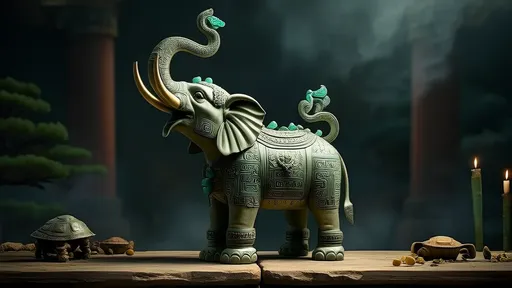
The recent archaeological discovery of a bronze elephant zun (wine vessel) from the Shang-Zhou period has reignited scholarly debates about cross-cultural exchanges between ancient China and South Asia. This exquisitely crafted ritual object, unearthed from a noble tomb in Hunan province, bears distinct stylistic elements that challenge traditional narratives about the isolated development of early Chinese bronze culture.
Animal

Amphibious Fungal Wars: Global Vaccine Distribution Network

By /Aug 12, 2025

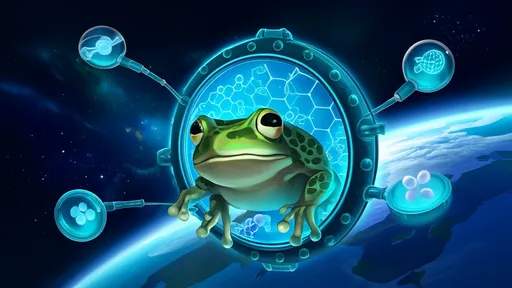
The global scientific community is mobilizing against an invisible enemy threatening amphibian populations worldwide: Batrachochytrium dendrobatidis (Bd), a deadly chytrid fungus responsible for the greatest recorded loss of biodiversity attributable to a single pathogen. As this fungal pandemic continues to decimate frog species across continents, researchers are racing against time to develop and distribute vaccines through an unprecedented international network.
Animal

Thylacine Image Restoration: Dynamic Reconstruction of the Last Individual

By /Aug 12, 2025

The thylacine, commonly known as the Tasmanian tiger, remains one of history's most enigmatic and tragic extinction stories. The last known individual, Benjamin, died in captivity at Hobart Zoo in 1936, leaving behind only grainy black-and-white footage and a handful of photographs. Now, nearly a century later, advances in digital technology have allowed researchers to breathe new life into this lost species through dynamic reconstructions of the final documented thylacines.
Animal

Sloth Cable Protection: Insulation Transformation in Costa Rica

By /Aug 12, 2025

In the lush rainforests of Costa Rica, where biodiversity thrives and nature’s delicate balance is carefully maintained, an unexpected hero has emerged in the fight to protect both wildlife and infrastructure: the humble sloth. Known for their slow-moving, tree-dwelling lifestyle, these creatures have inadvertently inspired an innovative approach to cable insulation that is transforming the country’s power lines. This unique intersection of conservation and engineering is not only safeguarding sloths but also setting a precedent for sustainable infrastructure worldwide.
Animal

Rhino Horn Trace Toxins: Harmless Dye to Deter Poaching

By /Aug 12, 2025

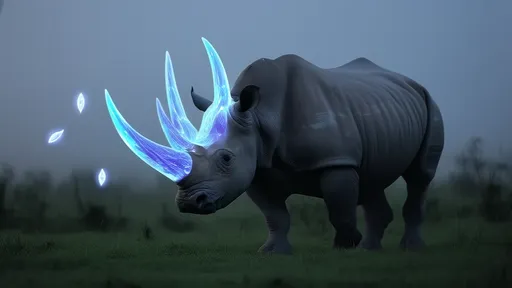
The illegal wildlife trade continues to threaten endangered species across the globe, with rhinos being among the most heavily targeted. Poachers relentlessly hunt these majestic creatures for their horns, which fetch exorbitant prices on the black market. Traditional anti-poaching measures, while valiant, often fall short. However, an innovative approach involving the injection of non-lethal toxins into rhino horns has emerged as a potential game-changer. This method aims to deter poaching by rendering the horns undesirable for consumption while posing no harm to the animals themselves.
Animal

The Badger in 'The Wind in the Willows': A Natural Metaphor for British Class"

By /Aug 12, 2025

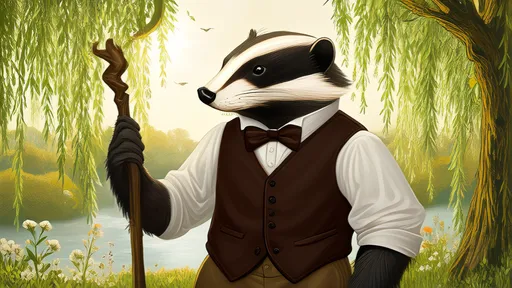
In the quiet corners of English literature, certain characters emerge not merely as figments of imagination but as mirrors to society. Kenneth Grahame’s The Wind in the Willows is one such work, where the animal inhabitants of the riverbank embody deeper truths about human nature and social structures. Among them, Badger stands out as a particularly resonant figure—a stoic, solitary creature whose presence whispers of the unspoken hierarchies and traditions that have long defined British society.
Animal

Panda National Park: Digital Monitoring of Ecological Corridors

By /Aug 12, 2025

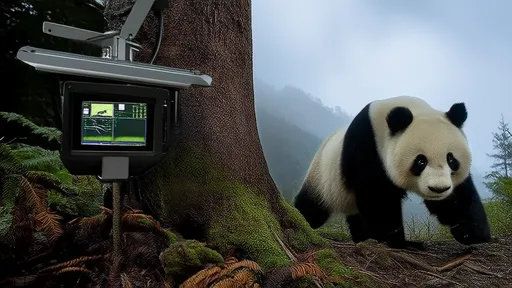
The Giant Panda National Park, spanning over 10,000 square miles across Sichuan, Shaanxi, and Gansu provinces, represents one of China’s most ambitious conservation projects. At its core lies a delicate balance between protecting the iconic giant panda and preserving the biodiversity of its habitat. In recent years, the park has embraced cutting-edge digital monitoring technologies to create and maintain ecological corridors—critical pathways that connect fragmented habitats and allow wildlife to migrate safely. These innovations are transforming how conservationists approach habitat management, offering real-time insights into animal movements and environmental changes.
Animal

Carolina Parakeet: The Elegy of North America's Only Extinct Parrot

By /Aug 12, 2025

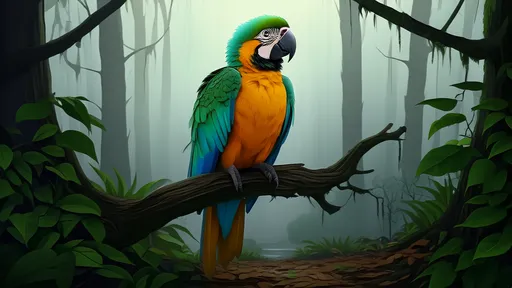
The mournful tale of the Carolina Parakeet, North America's only native parrot species, serves as a haunting reminder of humanity's complex relationship with nature. Once vibrant and abundant across the eastern United States, these emerald-green birds with their striking yellow and orange faces vanished forever in the early 20th century. Their extinction represents not just the loss of a single species, but the silencing of an entire ecological chorus that had echoed through American forests for millennia.
Animal

The Lion King" Music: Collection of African Ethnomusicology

By /Aug 12, 2025

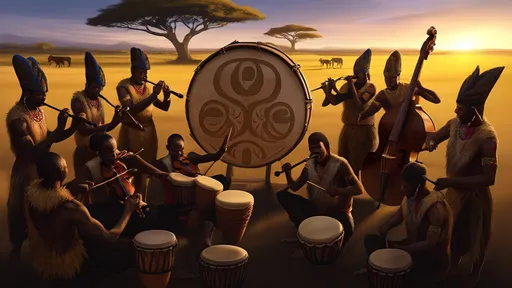
The sweeping savannas, the golden sunsets, the thunderous stampedes - The Lion King has always been more than an animated film. It's an immersive sensory experience that transports audiences to the heart of Africa. While the visual splendor rightfully earns praise, the musical tapestry woven throughout this modern classic deserves equal celebration. Behind those iconic melodies lies an extraordinary effort to capture the authentic sounds of Africa.
Animal

Disney Onomatopoeia: Sound Design for Animal Characters

By /Aug 12, 2025

The art of voice design for animated animal characters at Disney represents one of the most fascinating yet underappreciated aspects of filmmaking. While audiences marvel at the visual splendor of talking lions, singing crabs, and wisecracking rabbits, few consider the immense creative labor behind crafting voices that feel simultaneously animalistic and human. This sonic alchemy doesn't happen by accident—it emerges from a deliberate collision of zoological research, vocal experimentation, and narrative intuition.
Animal

Genetic Study of the Quagga: Mechanism of Half-Body Stripe Formation

By /Aug 12, 2025

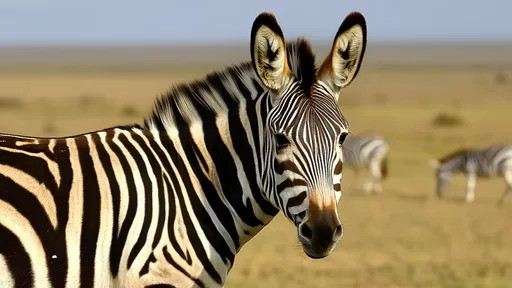
The recent breakthrough in quagga genetics has unveiled fascinating insights into the formation of partial striping patterns in equids. Researchers have long been intrigued by the quagga's unique appearance—striped only on the front half of its body—a stark contrast to its fully striped zebra relatives. This peculiar trait, now decoded through advanced genomic analysis, reveals a complex interplay of developmental biology and evolutionary adaptation.
Animal

The Sense of Movement in Prehistoric Art: Lascaux Cave Paintings"

By /Aug 12, 2025

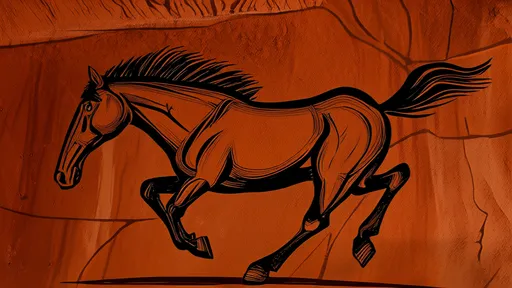
The Lascaux Cave, discovered in 1940 in southwestern France, is one of the most significant prehistoric art sites in the world. Among its many breathtaking depictions of animals, the horses stand out as particularly dynamic and full of life. These ancient paintings, created over 17,000 years ago, capture not just the form of the animals but also their movement, energy, and even their spirit. The artists of Lascaux were not merely recording what they saw; they were conveying a sense of motion, as if the horses were galloping across the cave walls in real time.
Animal

Wolf Totem" Revisited: The Ecological Wisdom of Nomadic Civilization

By /Aug 12, 2025

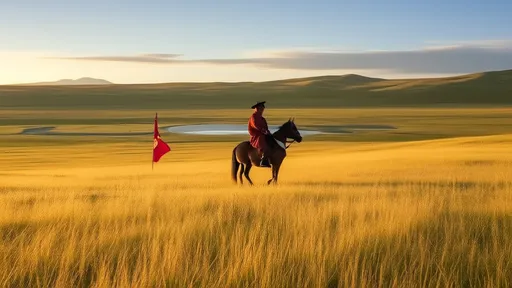
The vast grasslands of Inner Mongolia have long been a cradle for nomadic civilizations, where the delicate balance between humans and nature was perfected over centuries. Jiang Rong's novel Wolf Totem reignited global interest in the ecological wisdom embedded within these pastoral traditions, challenging modern assumptions about humanity's relationship with the environment. Beneath the thrilling narrative of wolf packs and nomadic life lies a profound philosophy—one that modern societies grappling with climate change would do well to reconsider.
Animal

Doomsday Seed Vault: A Noah's Ark of 1.3 Million Crop Samples

By /Aug 12, 2025

Deep in the frozen Arctic, buried within the side of a remote mountain on the Norwegian island of Spitsbergen, lies a vault designed to safeguard humanity’s agricultural future. Known as the Svalbard Global Seed Vault, this facility has been dubbed the "Doomsday Vault" for its mission to preserve the world’s crop diversity in the face of potential global catastrophes. Housing over 1.3 million seed samples from nearly every country, it stands as a modern-day Noah’s Ark for crops, ensuring that even in the worst-case scenarios, the foundation of our food supply remains intact.
Animal

The Tragedy of Ducks: A Reflection on Humane Biology Experiments"

By /Aug 12, 2025

In the quiet corners of early 20th-century Beijing, a Russian biologist named Vasily Eroshin conducted an experiment that would later become the subject of one of Lu Xun’s lesser-known short stories, "The Comedy of Ducks." The tale, often overshadowed by Lu Xun’s more politically charged works, offers a poignant meditation on the ethical boundaries of scientific inquiry. At its core, the story interrogates the moral cost of progress, a theme that resonates deeply in contemporary discussions about animal testing and biological research.
Animal

The Extinction Warning of the Steller's Sea Cow in the Bering Sea Over 27 Years

By /Aug 12, 2025

The story of the Steller's sea cow is one of the most tragic tales in the history of human-driven extinction. Discovered in 1741 by the naturalist Georg Wilhelm Steller during Vitus Bering's ill-fated expedition, this massive marine mammal inhabited the cold waters of the Bering Sea. Within just 27 years of its discovery by Europeans, the species was hunted to extinction—a stark reminder of humanity's capacity to irreversibly alter ecosystems.
Animal

Whale Imagery in Ukiyo-e: Edo-Era Ocean Reverence"

By /Aug 12, 2025

In the bustling streets of Edo-period Japan, where woodblock prints captured the essence of daily life, one motif emerged with surprising frequency: the whale. These colossal creatures of the deep, rendered in vivid blues and whites by ukiyo-e masters, were more than just artistic subjects—they were symbols of a complex relationship between humans and the untamable ocean. The whale prints of the 18th and 19th centuries reveal a cultural fascination that blended awe, fear, and pragmatic understanding of marine ecosystems long before Western whaling ships appeared on the horizon.
Animal

Moby Dick": An Ecological Perspective as a Revenge Fable of Industrial Civilization

By /Aug 12, 2025

The towering figure of Moby Dick looms large not just in American literature, but as an enduring ecological parable for the industrial age. Melville’s 1851 masterpiece, often misread as a simple adventure tale, pulses with a darker, prophetic undercurrent—one that frames the white whale as both a living force of nature and an avenging symbol of ecological retribution. In an era of unchecked whaling and industrial expansion, Melville’s whale becomes the first great antihero of environmental fiction, a creature whose very existence indicts humanity’s rapacious relationship with the natural world.